How to Build a Biotin Gummy Product Brief for Private Label
A biotin gummy product brief should turn a broad beauty-positioning idea into clear decisions about ingredient form, gummy experience, serving count, packaging, and compliant product communication. A biotin gummy brief should define the consumer experience with unusual precision. Specify the active form and amount, pieces per serving, chew style, flavor, color, dietary requirements, and package. This allows a supplier to test whether the beauty-oriented concept is achievable without hiding major choices inside a vague gummy request.
The formulation request should state the preferred biotin form and amount, any companion ingredients being considered, restrictions on sweeteners or gelling systems, and the intended number of gummies per serving. It should also note whether the concept requires a vegan, low-sugar, or other specific positioning. The formulation team should be told which claims or visual cues matter to the brand and which remain exploratory. A desire for vegan ingredients, low sugar, a specific shape, or a soft texture can affect the formula and process, so these are requirements to rank rather than decorative details.
Texture, flavor, color, shape, surface finish, and serving count should be described as acceptance criteria rather than left to general preference. Sampling should include feedback from people who understand the target price point and product promise. They can assess whether the flavor, chew, serving count, and pack presentation feel consistent with the intended customer experience, not merely whether the gummy tastes pleasant during a short internal meeting.
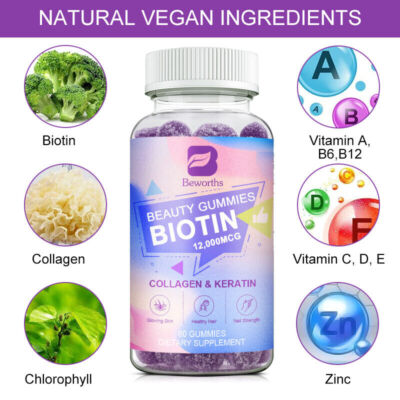
A biotin gummy brief can use private label biotin gummies as its context, while the brand separately defines sensory targets, dietary preferences, serving count, and artwork review. The label review should happen before the product story becomes embedded in artwork. Beauty-related messages must be tailored to the market and the finished formula, and a written approval trail helps the brand manage later retailer, marketplace, or distributor questions without relying on informal statements.
The brand should agree on what product and package specifications it needs, how sample approval is documented, and which batch records are relevant to the chosen sales channel. A biotin gummy brief should define the consumer experience with unusual precision. Specify the active form and amount, pieces per serving, chew style, flavor, color, dietary requirements, and package. This allows a supplier to test whether the beauty-oriented concept is achievable without hiding major choices inside a vague gummy request.
Cost planning should include the actual formula, mold or shape needs, flavor complexity, package components, and the first order range instead of comparing generic gummy pricing. The formulation team should be told which claims or visual cues matter to the brand and which remain exploratory. A desire for vegan ingredients, low sugar, a specific shape, or a soft texture can affect the formula and process, so these are requirements to rank rather than decorative details.
Beauty-oriented wording should be reviewed for the brand's market and should not imply disease treatment or make outcomes that the finished formula and evidence cannot support. Sampling should include feedback from people who understand the target price point and product promise. They can assess whether the flavor, chew, serving count, and pack presentation feel consistent with the intended customer experience, not merely whether the gummy tastes pleasant during a short internal meeting.
A specific brief gives a private label gummy project a stronger foundation than an attractive flavor concept alone. The label review should happen before the product story becomes embedded in artwork. Beauty-related messages must be tailored to the market and the finished formula, and a written approval trail helps the brand manage later retailer, marketplace, or distributor questions without relying on informal statements. For biotin gummies, retain the approved sensory target, serving count, dietary preferences, and label-review notes alongside the formula brief. This gives product, packaging, and creative teams the same reference when they evaluate the next sample or artwork revision.