Fast BMW and MINI Key Replacement: What Makes These Systems Different
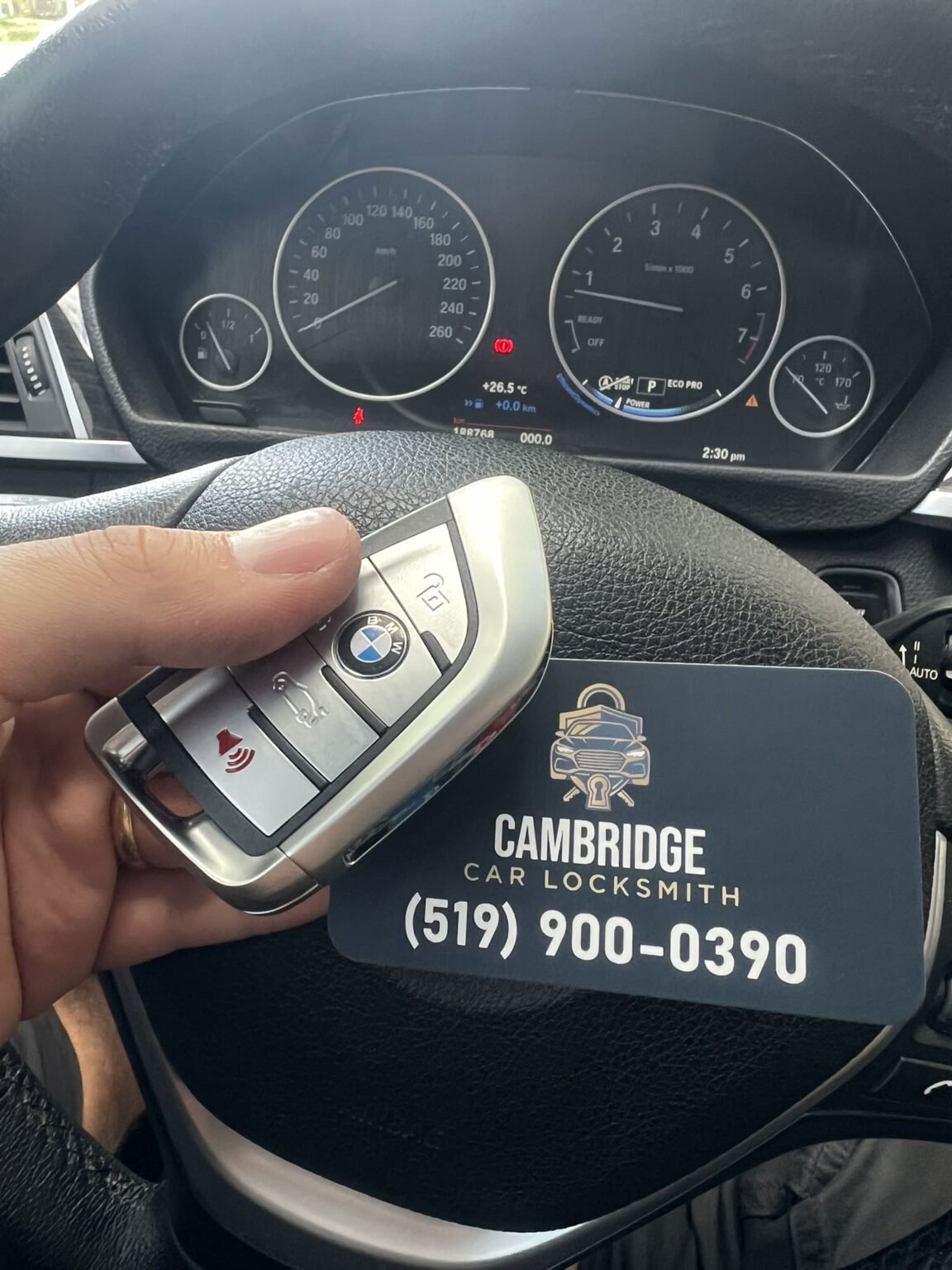
Losing a car key is frustrating enough, but with a modern BMW or MINI, replacing it is far more involved than simply cutting another blade. The vehicle and its key are part of a sophisticated security system, so even when the physical key looks perfect, it still needs to be correctly recognized by the car. For drivers who need BMW key replacement, understanding this process explains why specialist equipment and experience matter, especially when the original key has disappeared completely.
When a New Key Is More Than a New Key
BMW and MINI have progressively developed their immobilizer architecture over several generations. Depending on the vehicle, security functions can be handled through CAS, FEM or BDC modules. These systems communicate with the vehicle electronics and determine whether a particular key is authorized to unlock the car and allow the engine to start.
That is why programming a replacement key is not simply a matter of matching the buttons on a remote. The new key must correspond correctly with the vehicle's security system. The exact procedure depends on the model, production year, chassis and immobilizer generation.
Older vehicles equipped with earlier CAS systems can often be handled through diagnostic connections. Newer platforms are considerably more demanding and may require specialized procedures involving the relevant control module. Professional locksmiths therefore need equipment capable of working with the particular BMW or MINI platform rather than relying on a universal key programmer.
CAS, FEM and BDC: Three Generations of Security
The terminology can sound complicated, but there is a simple reason behind it. BMW gradually integrated more access, body electronics and security functions into its electronic architecture.
CAS, or Car Access System, is associated with many earlier BMW and MINI platforms. Later F series vehicles introduced FEM, while newer generations moved toward BDC, or Body Domain Controller. The transition changed how replacement keys are authenticated and how technicians access the necessary security information.
A professional assessment normally considers:
- Vehicle identification and production year
- Chassis and immobilizer generation
- Existing key condition and availability
- Type of replacement key required
- Whether the job is a spare key or an all keys lost situation
- Whether the vehicle requires diagnostic or module level programming
This information is important because two vehicles that look similar from the outside can require completely different key programming procedures.
Why Modern BMW Key Programming Requires Specialist Knowledge
The main challenge is the encrypted security data connecting the key with the vehicle. On certain CAS, FEM and BDC systems, this information is protected inside the vehicle's electronic modules. Professional programming equipment is designed to communicate with the appropriate system and perform authorized key learning procedures.
On some newer platforms, direct diagnostic access is restricted, meaning a technician may need to work at module level rather than treating the job as a simple OBD programming operation. The exact approach varies according to the hardware and software installed in the vehicle.
This is also why attempting random programming procedures can create unnecessary problems. BMW electronic modules are closely integrated, and an incorrect procedure can interrupt communication or leave the vehicle requiring additional programming.
Spare Key or All Keys Lost?
There is a major difference between making a spare key while an original working key is available and recovering a vehicle when every key has been lost.
With a functioning key, the technician can usually work from an existing authorized key and prepare another compatible key according to the vehicle's security architecture. The process is generally more straightforward.
An all keys lost situation requires additional verification and security work. Depending on the platform, the technician may need to obtain protected information from the vehicle's relevant control systems before a new key can be authorized. Missing keys can also need to be removed from the vehicle's active key list so that an old lost key cannot later be used to access the car.
What a Professional Mobile Service Can Change
Modern automotive locksmithing has also changed the practical side of key replacement. A driver does not necessarily need to arrange a tow simply because the only key has disappeared. A properly equipped mobile specialist can often bring the necessary diagnostic and key programming equipment directly to the vehicle.
A typical appointment may involve:
- confirming the vehicle identity and ownership
- identifying the immobilizer and key system
- checking the condition of the vehicle electronics
- preparing a compatible replacement key
- programming and synchronizing the key
- testing locking, unlocking and starting functions
The final testing stage matters just as much as programming. A replacement key should not merely communicate with the immobilizer. Its remote functions, proximity features where fitted, emergency blade and engine authorization should all be checked before the job is considered complete.
Choosing the Right Approach for Your BMW or MINI
The fastest solution is not always the one involving the fewest steps. With these vehicles, speed comes from knowing exactly which security system is installed and having the correct equipment ready before work begins.
When contacting a locksmith, providing the VIN, model, year and location of the vehicle can make the initial assessment much easier. It is also useful to explain whether you have one working key, a damaged key or no keys at all.
BMW and MINI key systems are designed to make unauthorized access difficult, and that security inevitably makes legitimate replacement more technical. With the right specialist, however, a lost or damaged key does not have to turn into a long dealership visit or an unnecessary vehicle replacement project. The combination of proper identification, professional programming equipment and experience with CAS, FEM and BDC systems can make the process considerably faster and more predictable.


